Insurance in Transition: Three Critical Topics Shaping the Sector in 2026
Ayşe İsmihan AslanCo-Founder & Managing Director, Sigorta Aslan
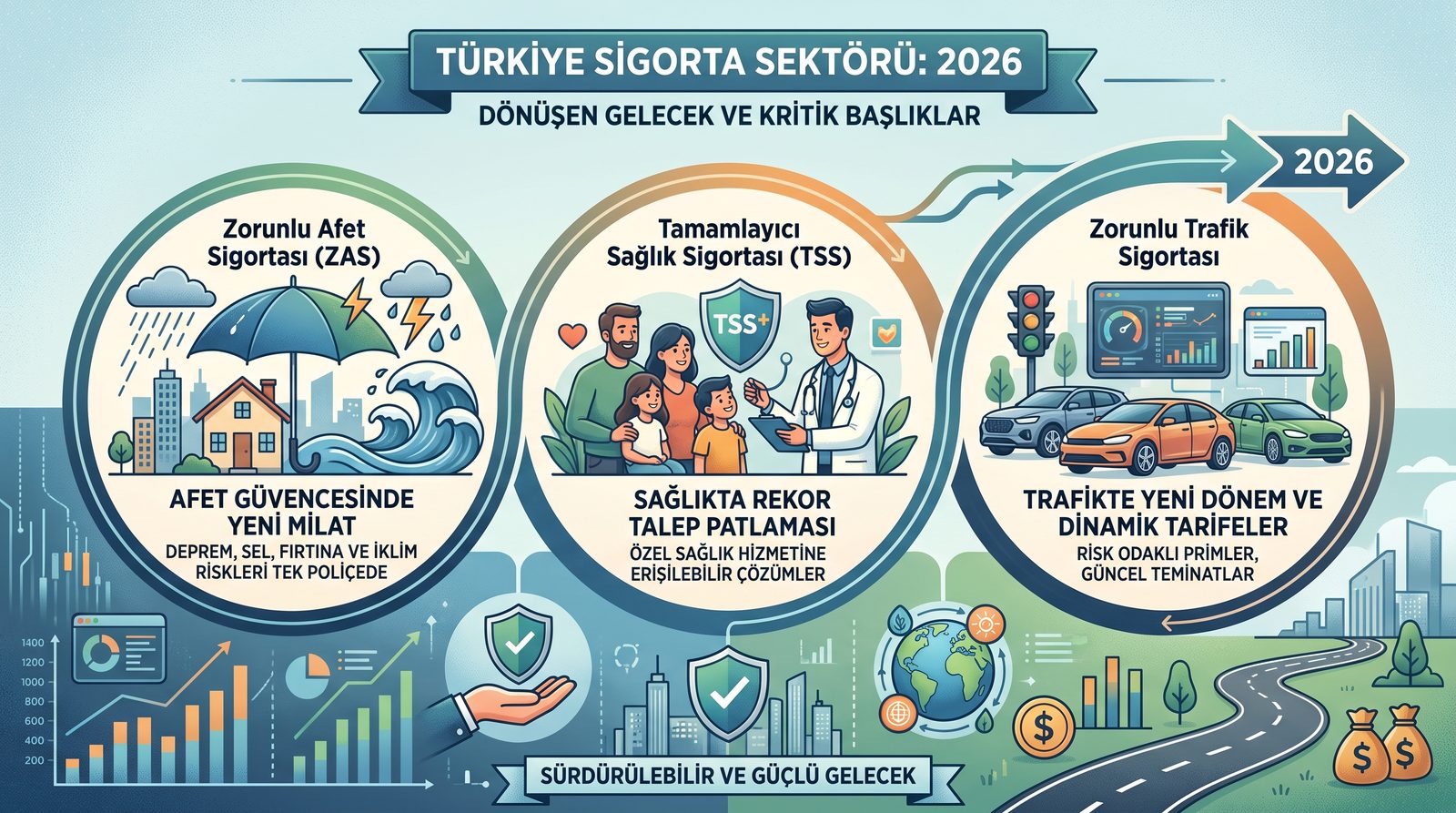
In 2026 the Turkish insurance sector is going through one of the most comprehensive transformations of recent years, driven by everything from the climate crisis to changing consumer preferences and regulatory updates. The three headline topics — the shift to Compulsory Disaster Insurance (ZAS), surging demand for Supplementary Health Insurance (TSS) and new tariff rules in Compulsory Motor Liability Insurance — dominate the sector's agenda. These developments are reshaping both how policyholders perceive cover and how insurers manage risk.
A new era in disaster cover: Compulsory Disaster Insurance (ZAS)
Extreme weather events brought on by climate change — drought, storms and floods — have fundamentally changed the traditional structure of the Turkish Catastrophe Insurance Pool (DASK). Introduced in 2026, Compulsory Disaster Insurance (ZAS) covers not only earthquakes but also floods, landslides, storms and other climate-related natural disasters, marking a new milestone in Türkiye's disaster protection framework. Offering holistic protection for everything from homes to workplaces, the ZAS model aims to strengthen household financial resilience while easing the post-disaster fiscal burden on the state through a reinsurance structure built to global standards.
Record demand in health: Supplementary Health Insurance (TSS)
On the health side, congestion in public systems and rising costs at private providers have steered consumers towards Supplementary and Private Health Insurance. Having become the sector's fastest-growing line in real terms in 2026, TSS is now an essential part of employee benefit packages. By offering access to high-standard private healthcare at affordable premiums, these policies increase the number of policies in force, deepen the system's overall inclusiveness and play a key role in spreading insurance awareness.
A new period in motor: dynamic tariffs
Compulsory Motor Liability Insurance, the sector's largest yet most debated line, remains on the agenda thanks to comprehensive updates and dynamic tariff rules introduced in 2026. Coverage limits raised by the Insurance and Private Pension Regulation and Supervision Agency (SEDDK) aim to create a sustainable premium balance, while making the step differences between risky and rule-abiding drivers more pronounced. Spare-part costs, greater transparency in vehicle appraisal and corporate-use criteria for multi-vehicle owners have turned motor liability from a mere obligation into a component of sustainable vehicle finance management.
Don't Leave Your Health to Chance!
Health is our most valuable asset. However, unexpected health issues can strain both our spirits and our finances. For individuals with Social Security Institution (SGK) coverage, Complementary Health Insurance (TSS) is the most economical way to access high-quality, comfortable healthcare services at private hospitals.
What does the 5-vehicle threshold mean for people with several vehicles? How does the tariff change from the 6th vehicle, and how should a fleet budget be planned?
With state contributions, flexible fund management and transparent operation, BES is one of the safest ways to protect your standard of living in retirement.

 Ayşe İsmihan AslanRead more


 Ozan Aslan